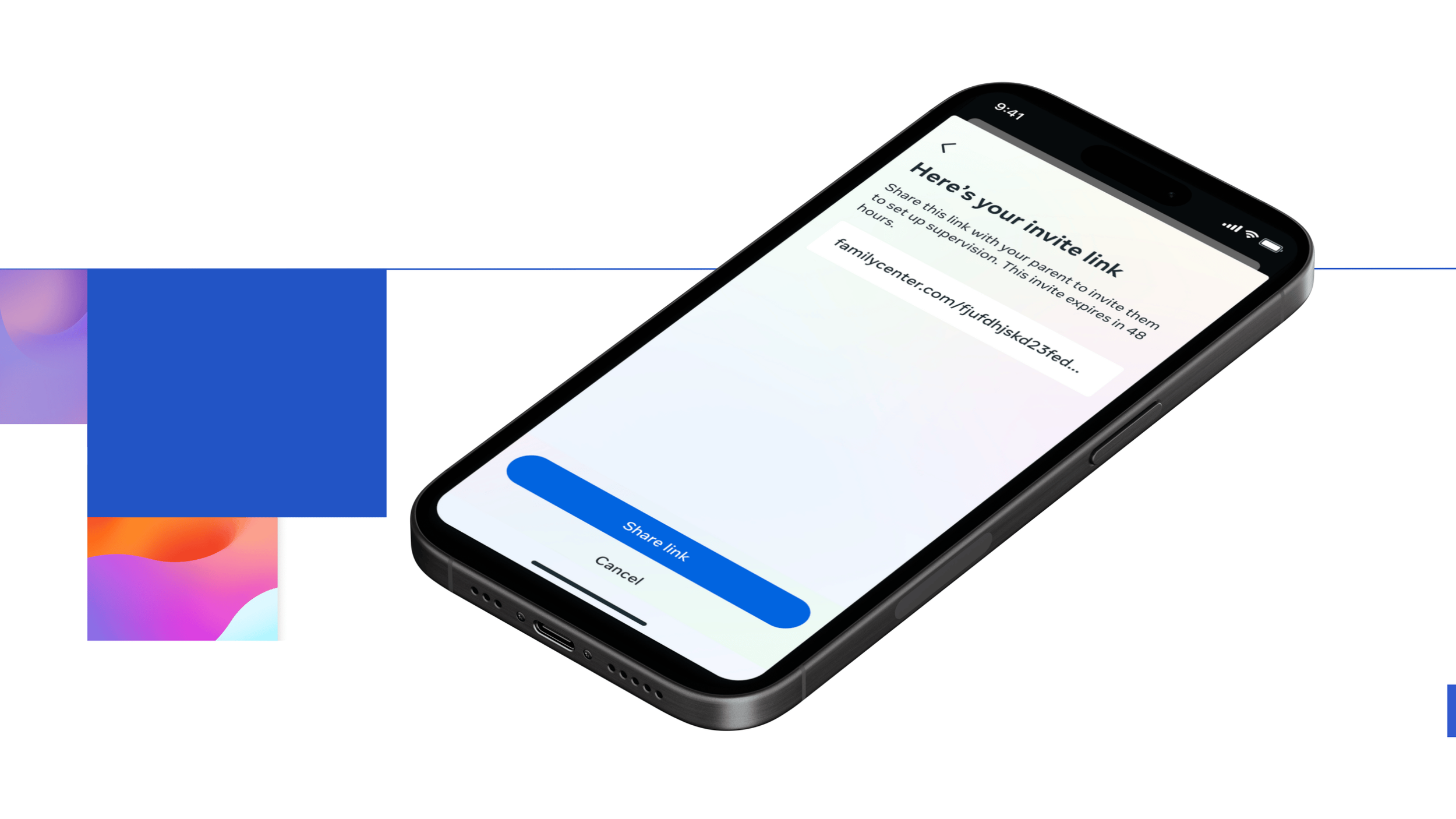
Meta | Teen Accounts
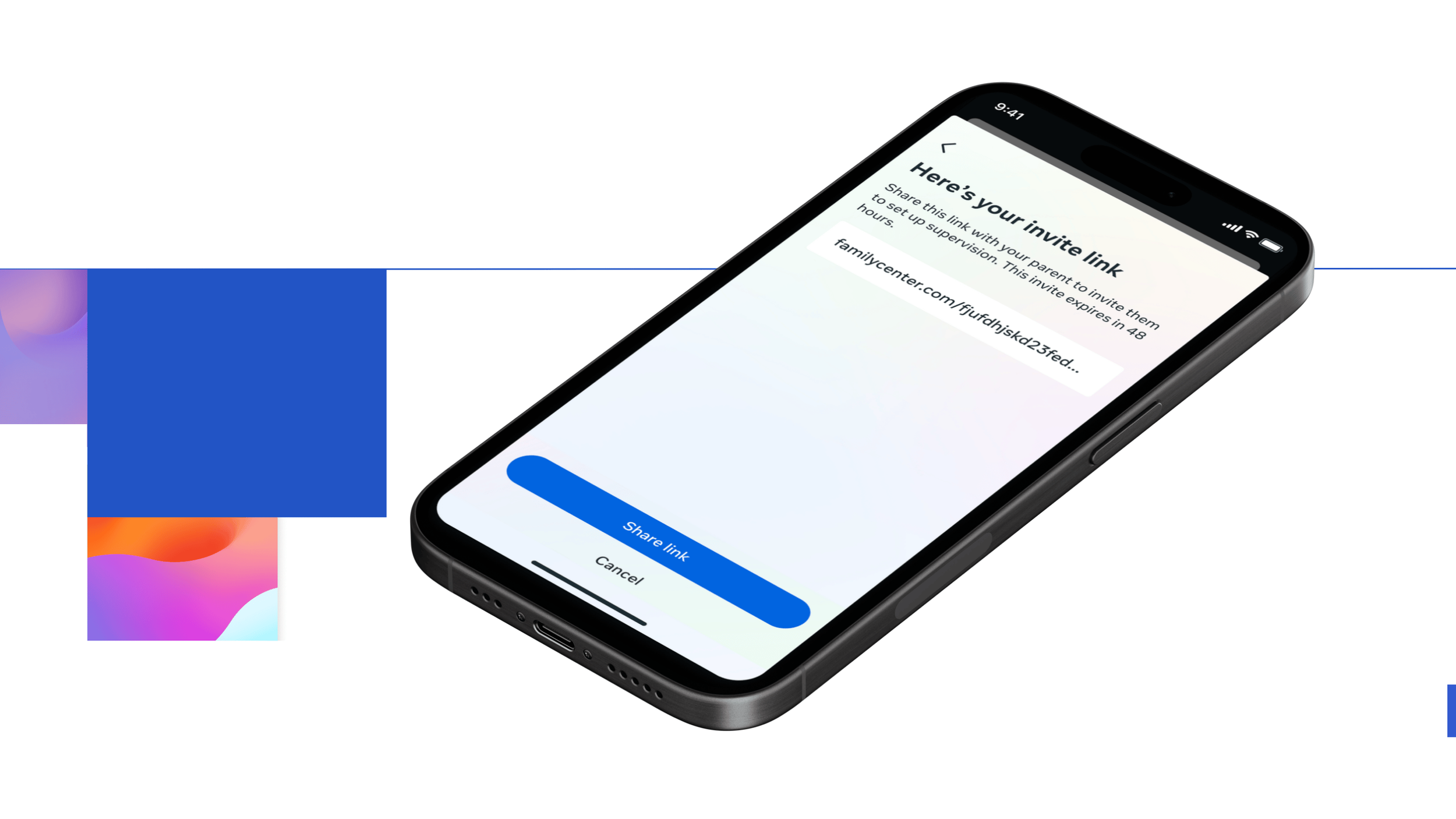
Role: Product Designer (prototyping + visual systems)
Team: Designers, Researchers, Engineers, Product Managers
Type: Shipped feature
Constraints: State-level youth privacy laws, legal compliance, content standards
Challenge: I supported the launch of Meta’s upgraded Teen Account safety features, a high-visibility initiative responding to rising concerns around teen privacy, harmful content, and regulatory pressure.
⚠️ The Problem
⚠️ The Problem
Teens face increased risks on social platforms — unwanted contact, exposure to sensitive content, and unclear privacy settings. Regulation made this work urgent and highly scrutinized.
“...Teen Accounts reflect the importance of tailoring teens’ online experiences to their developmental stages, and implementing appropriate protections. Younger adolescents are more vulnerable as their skills are still emerging and require additional safeguards and protection. Overall, the settings are age-specific, with younger and older teens being offered different protections.”
🎨 Design
🎨 Design
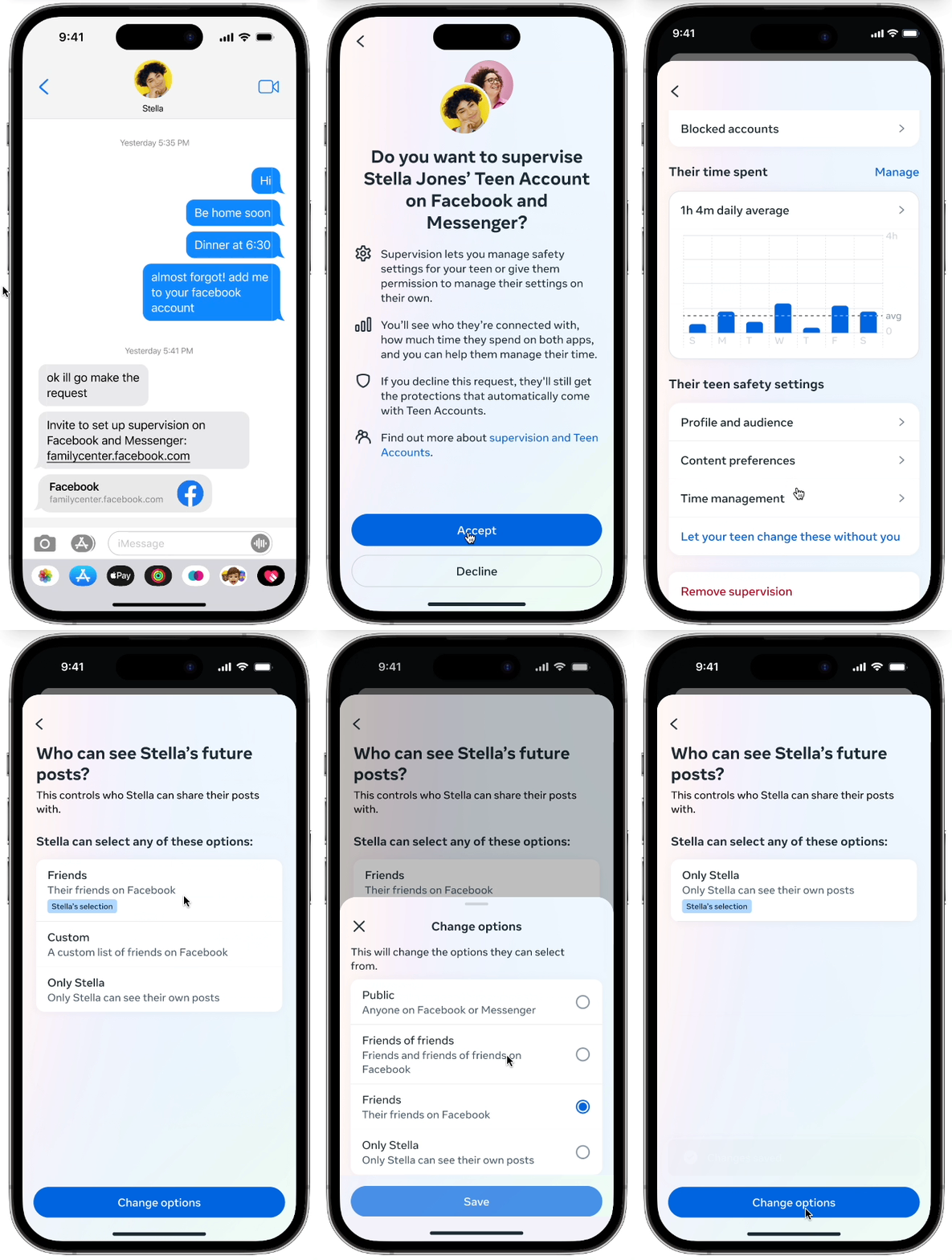
I helped prototype and build the visual system behind key updates, including:
Safer onboarding flows that clearly explain how teen accounts differ
Privacy-by-default settings (private accounts, limited visibility, protected data)
Restricted adult contact with contextual explanations
Enhanced content filters for sensitive or mature media
Well-being tools like break reminders and reduced late-night notifications
Clear, friendly UI language tailored to younger audiences
My prototypes helped researchers validate comprehension,
while my UI refinements supported engineering hand-off
and final production implementation.
Design Principles
Safety by Default: Minimize risk proactively
Age-Appropriate UX: Tone, clarity, and permissions tailored for teens
Transparency: Clear communication around why features appear or are restricted
Empowerment Over Restriction: Teens understand and influence their own safety
Global Scalability: Compliant with multi-state and international rules
Strategic Approach
Rebuild key surfaces using a clear, modern, friendly visual language
Introduce in-line education: “Why you’re seeing this” moments
Test high-fidelity prototypes early with researchers
Partner with policy & engineering to ensure compliance at every step
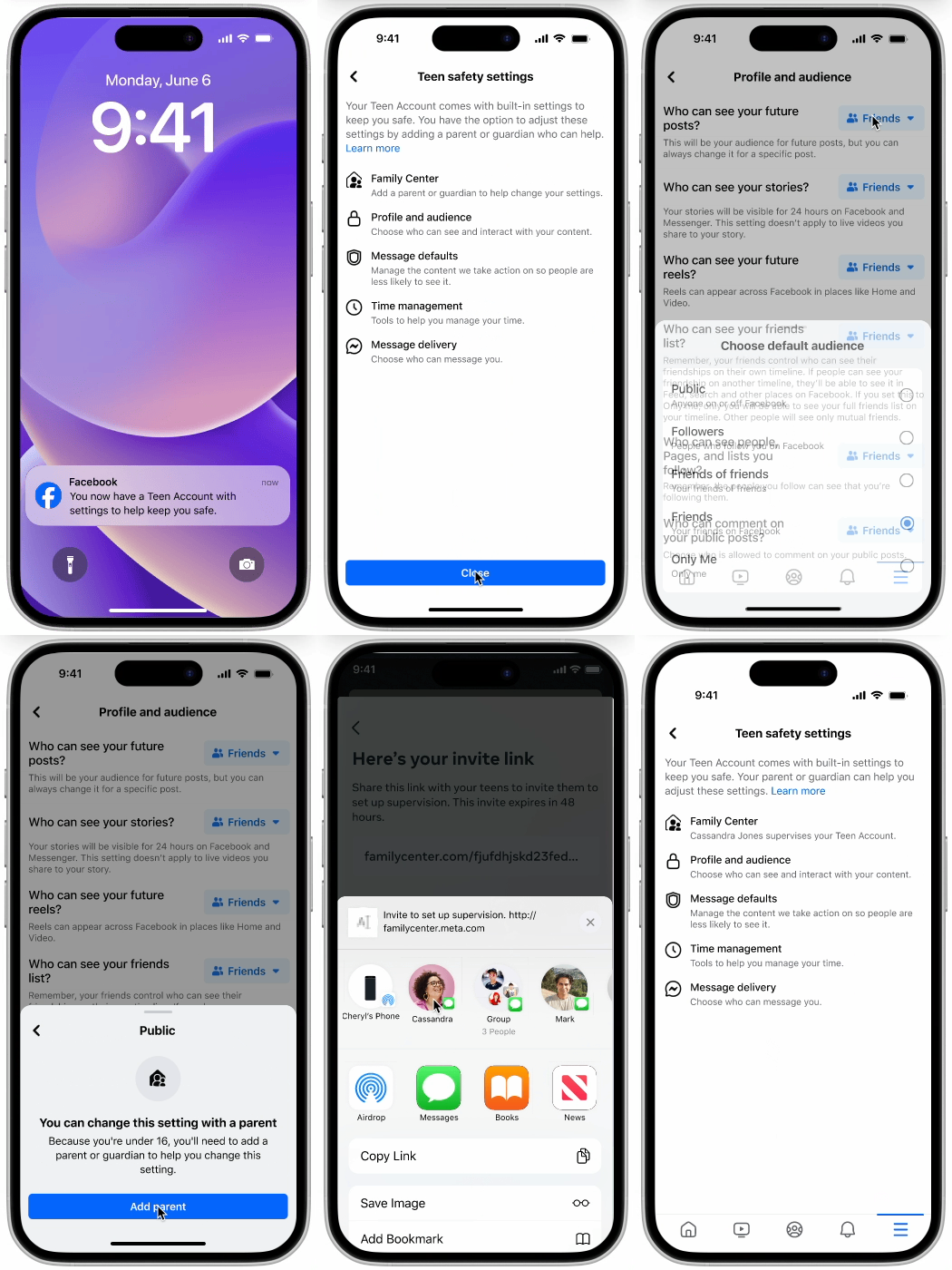
Prototyping Motion, Animations & Interaction Flows
I collaborated with fellow designers to prototype interaction flows such as:
Progressive disclosures
Modals explaining restrictions
Visualized rule changes during age transitions (16 → 18)
These prototypes helped researchers validate comprehension before engineering build-out.
TECHNICAL & LEGAL CONSTRAINTS
Working with safety, policy, and engineering teams revealed additional realities:
State-level privacy laws required flexible UX patterns that adapt by region
Data visibility rules changed what teens or parents could see
Age verification boundaries prevented heavy-handed or overly intrusive checks
UI parity with Meta’s design language ensured consistency across surfaces
Our visual system had to remain stable under all these constraints while still being approachable.
📊 Impact
📊 Impact
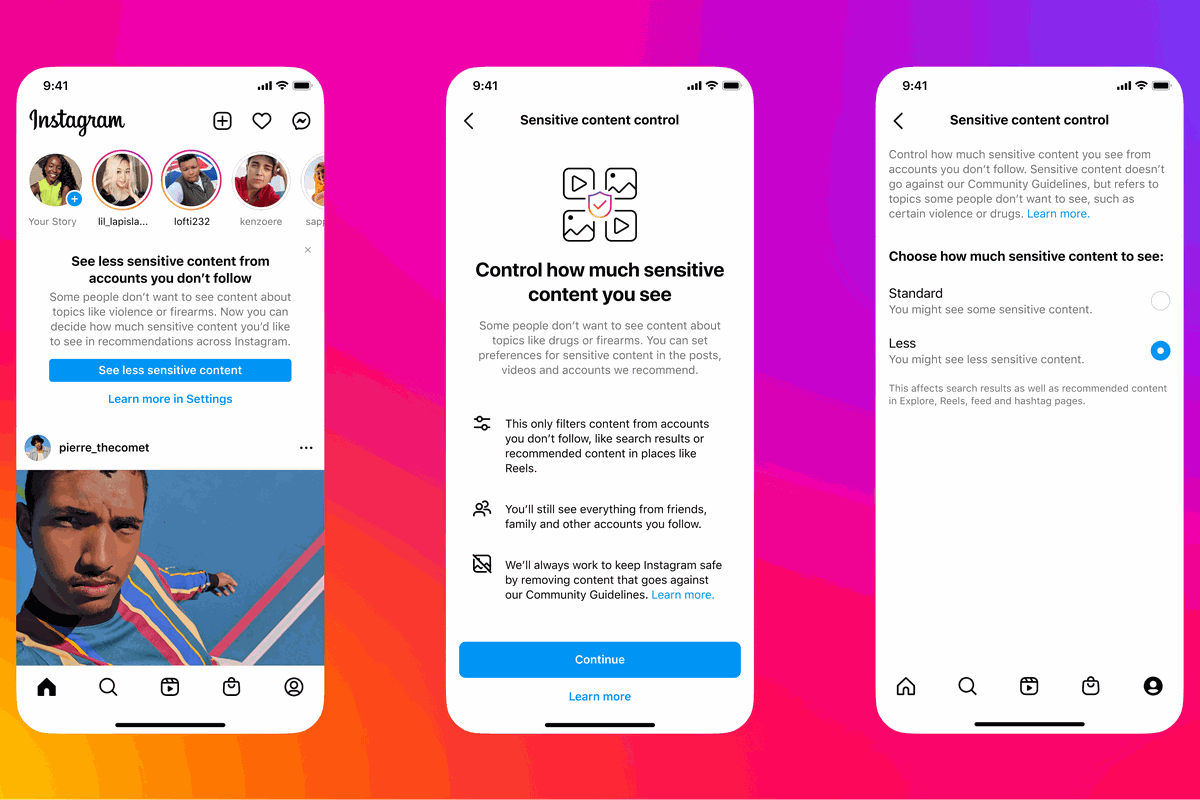
While data is being collected and some is confidential, the work contributed to:
More intuitive safety features for teens
Stronger barriers against unwanted adult contact
Clearer system messaging aligned with legal requirements
A cohesive, age-appropriate visual language used across teen surfaces
EVALUATION & SUCCESS METRICS
To measure effectiveness, we planned for metrics such as:
Reduction in unsolicited adult-to-teen contact attempts
Decline in sensitive content exposure
Increased comprehension of safety settings (research validated)
Decrease in late-night usage sessions
Higher parental trust scores measured through surveys
These metrics were aligned with internal research processes and safety KPIs.
📚 What I Learned
📚 What I Learned
This project taught me to design within strict policy and legal constraints, collaborate deeply with cross-functional teams, and create visual systems that must balance safety, transparency, and teen autonomy.
“Maintaining a design system isn’t a one size fits all and things will break, but if you’ve built things well enough you can solve future design needs in advance. We created flexibility within component sets and the use of variables to increase the amount of options to accommodate future experiences.”